Wall panelling · Cut to your wall

Shaker wall panelling, cut to your wall

Enter your wall size and how many panels you want. We work out every rail and stile, cut them from Medite Premier MDF, label each piece and send the adhesive, caulk and filler with them.

  • Every strip cut square and labelled with where it goes
  • Equal panels, worked out for you
  • Fixings and finishing included, so one delivery has the lot
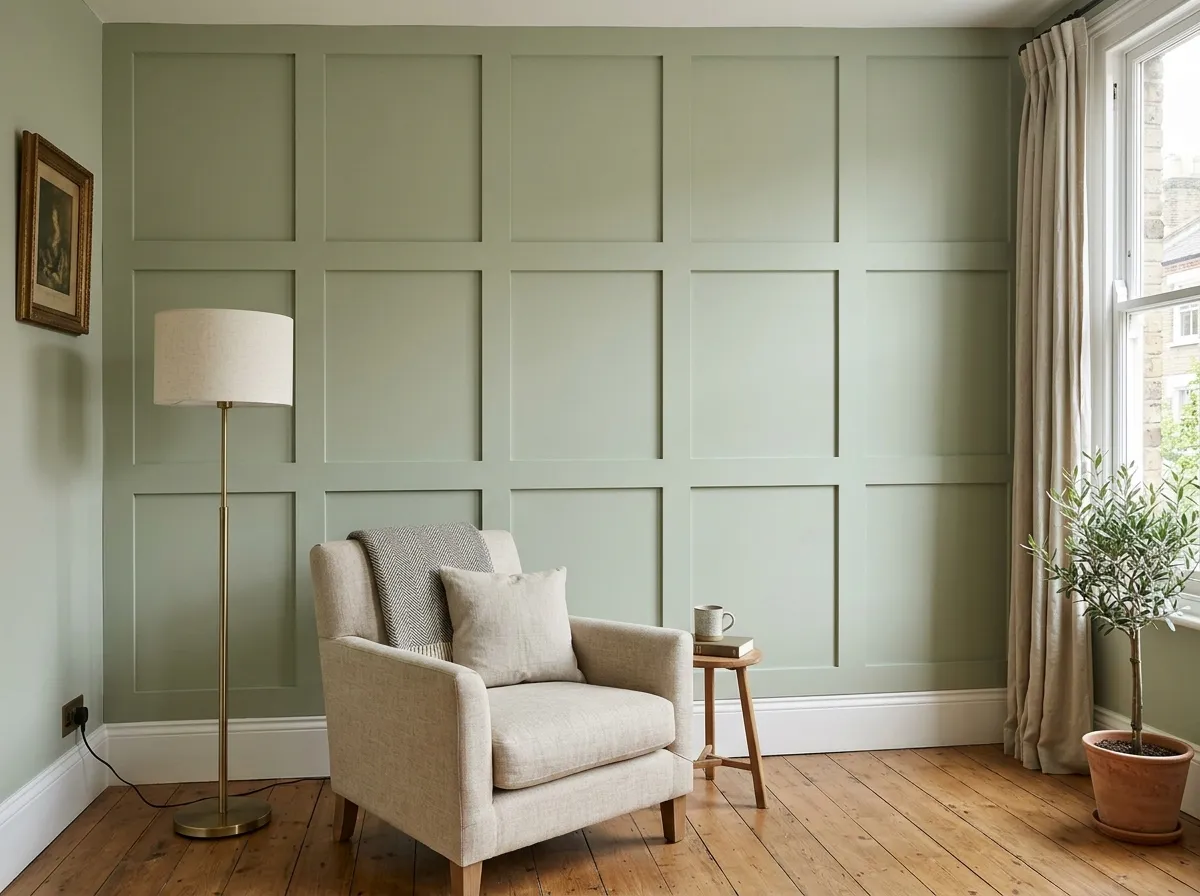
A living room wall with painted shaker wall panelling: flat MDF rails and stiles framing two rows of panels (illustrative render)
Panels about 532 × 1015 mm · 21.8 m of strip
1. How high?
2. Your wall

Measure the height from the top of your skirting board to the ceiling (or to where the panelling should stop). Measure the width at a few heights and use the smallest.

3. Board

9 mm is the usual choice. 12 mm gives deeper shadows. Strips are 90 mm wide.

Ideas for every room

A bedroom with full-height shaker wall panelling behind the bed (illustrative render)
Full height behind the bed
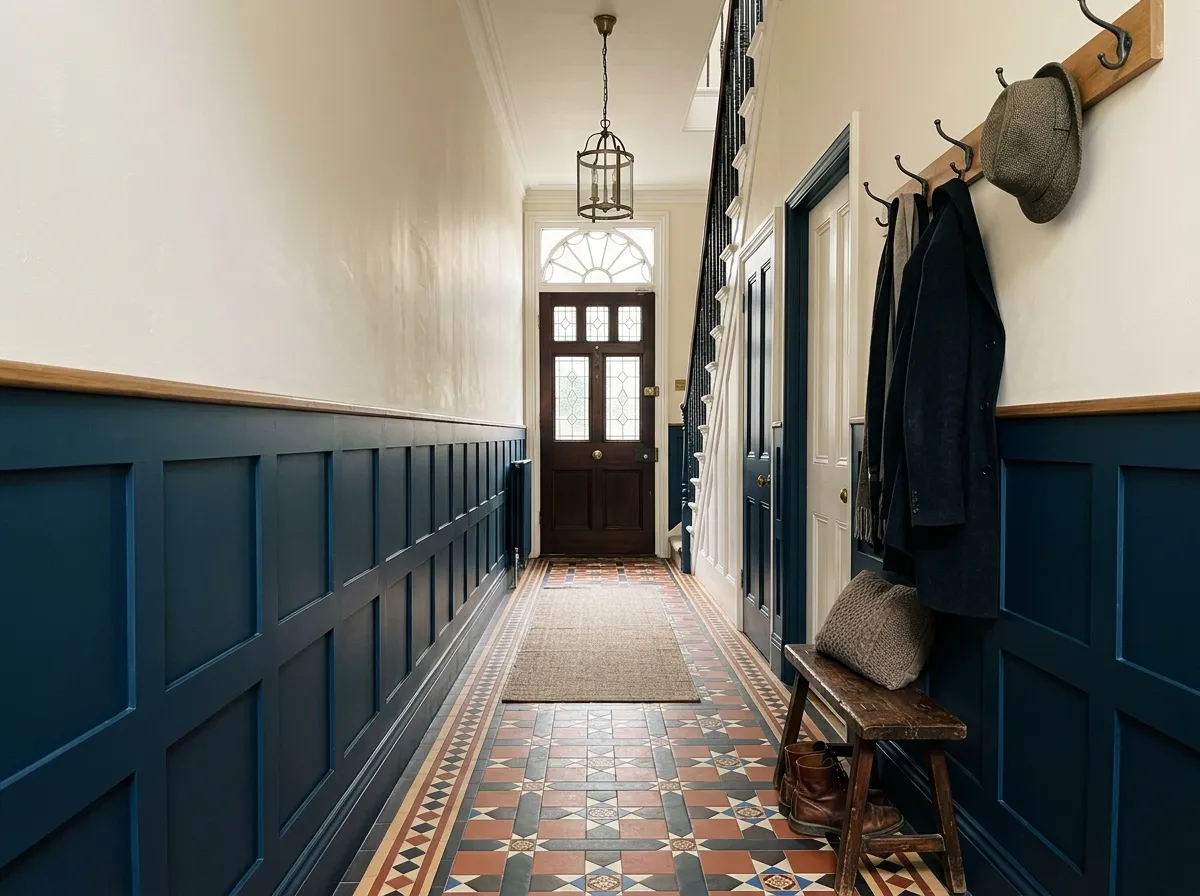
A narrow hallway with dado-height shaker panelling painted deep navy (illustrative render)
Dado height in a hallway
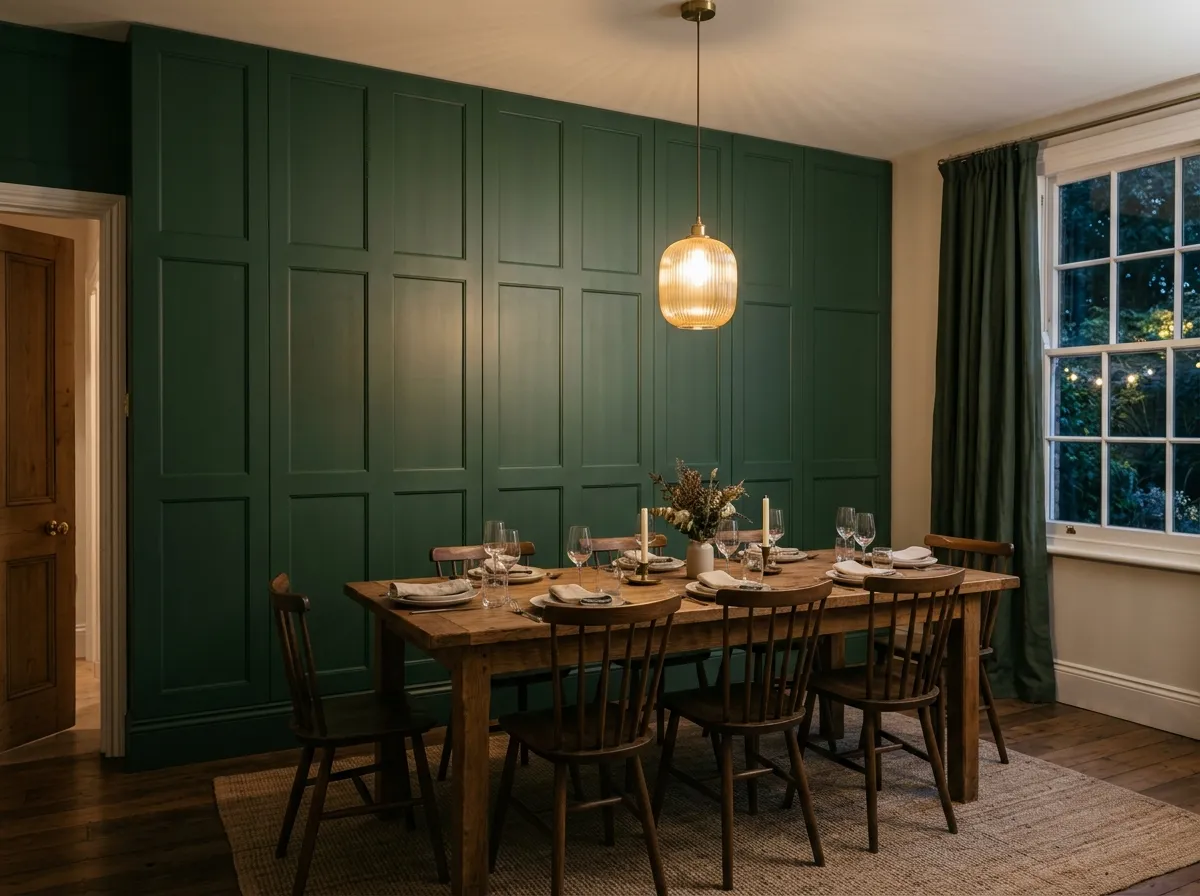
A dining room with dark green full-height shaker panelling (illustrative render)
Two rows in a dining room
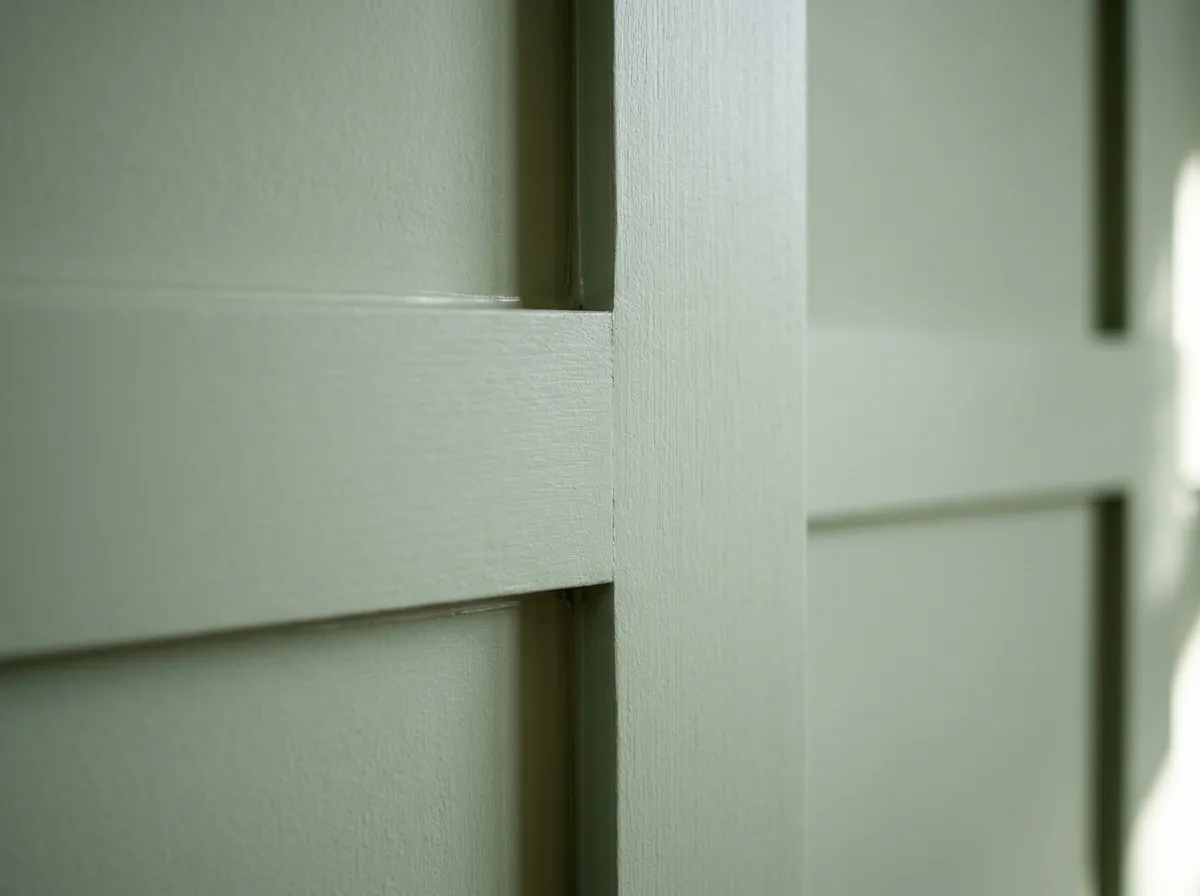
Close-up of the corner of a shaker panel: MDF strips meeting, caulked and painted (illustrative render)
Filled, caulked and painted: the shadow line does the work
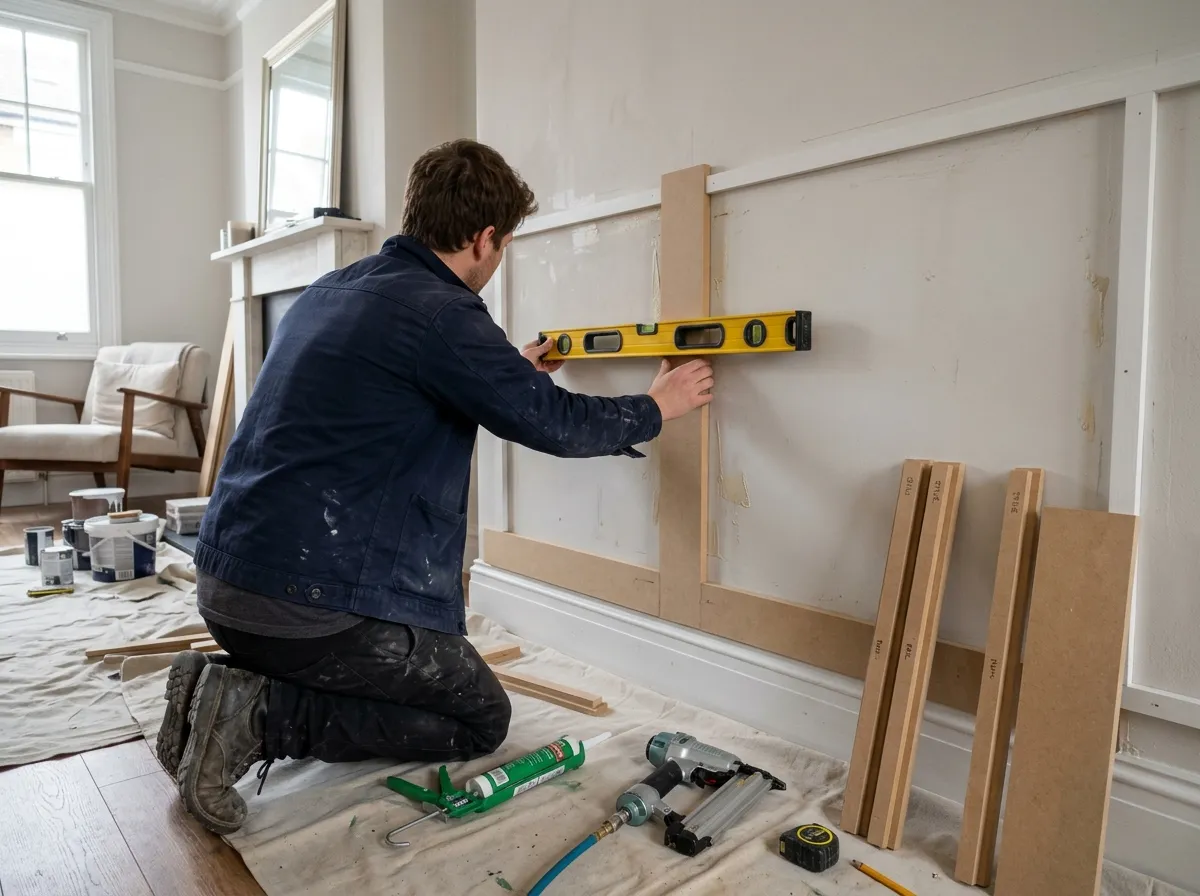
A person fitting a shaker panelling stile with a spirit level and grab adhesive (illustrative render)
Rails first, then the stiles, with grab adhesive and a level
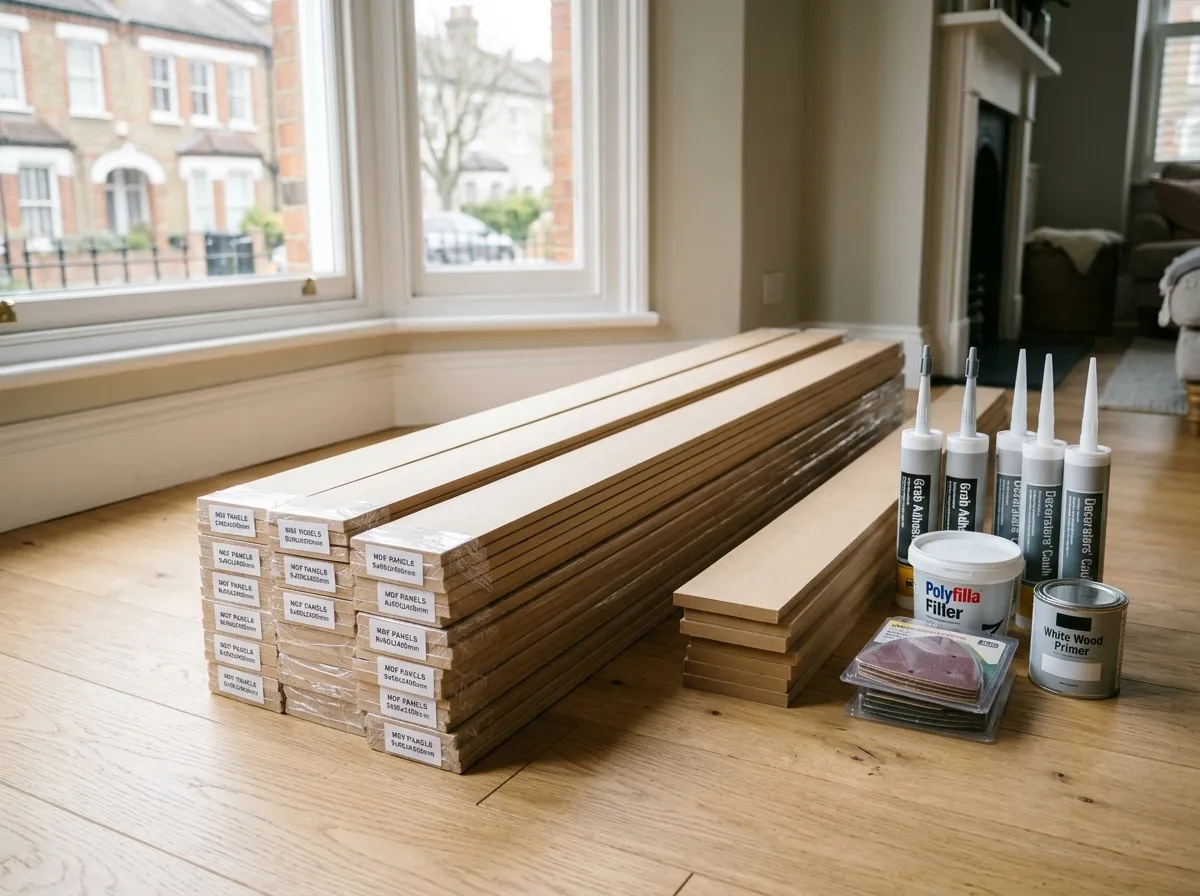
A shaker panelling kit as delivered: labelled MDF strips stacked with adhesive and caulk (illustrative render)
How your kit arrives: labelled strips and everything to fit them

How shaker panelling goes up

1. Rails first

Glue and pin the bottom rail on top of the skirting, then the top rail and the middle rail, level.

2. Then the stiles

Fit the stiles between the rails. They're cut to the right length and labelled left to right.

3. Fill and caulk

Fill the pin holes and joints. Run caulk along every edge where a strip meets the wall.

4. Prime and paint

Prime the strips, then paint strips and wall the same colour. The shadow line does the rest.